Satellites & Image recognition
Written by

Published on
.svg)
December 11, 2020

Table of contents
Image recognition is a set of methods used to detect and analyze images with the purpose of processing them faster and more accurately than what humans can do manually.
It is a technology that is able to identify various elements within an image such as (places, people, objects, etc), generate conclusions, and make decisions according to a predetermined set of rules.
One of the methods used to perform image recognition is machine learning (ML), an approach that involves identifying and extracting an image’s key features and running them through an ML model.
First, the data is trained – compiling a collection of images into categories, then its features are extracted – pinpointing the unique features of each image, and finally, a machine learning model is created – an algorithm that is able to separate these features into their distinct categories.
Using image recognition makes it possible for systems and platforms to automate tedious man-done processes, consequently improving their productivity.
Once an image recognition model is able to recognize an element in an image, it can be programmed to make conclusions and perform actions based upon it. These days ML in image recognition is used to optimize image-based medical decisions, boost driverless car technology, predict consumer behavior, and create value for many other applications.
Most recently the use of image recognition on satellite imagery has gained significant momentum, mainly due to the fact that satellite imagery is becoming more and more available to the public.
In April 2020, there were 1,646 commercial satellites circling the globe, and it is estimated that by 2028 no less than 990 satellites will be launched into space every year(!). The fact that practically anyone can pinpoint any location on earth and gain its latest satellite imagery has created a surge in demand for image recognition solutions.
Countless sectors are already greatly benefiting from this new reality: agriculture, environmental protection, insurance, maritime, land management, oil & gas, real estate, transportation, utilities, and others.
The latest technology to enhance image recognition abilities is deep learning (DL), a sub-category of ML that refers to an automatic learning technique based on artificial neural networks.
In regard to image recognition, DL is able to automatically learn relevant features from sample images and identify those features in new images.
Typically, the technology’s structure is as follows; Just like with ML, first, the training data is prepared. Then, the preliminary model iterates it multiple times and learns the most important features of the images. Finally, the model is tested using a new data set that it hasn’t seen before.
The most significant difference between the structures of ML and DL is that with ML the unique characteristics must be manually differentiated, and with DL they are automatically learned by the model.
In other words, DL also automates the model’s learning stage, enabling the invention of additional satellite imagery applications that will be able to solve problems in various industries.
To conclude, the increase of satellite capabilities combined with innovative image recognition technologies are bound to impact a variety of industries and the entire human race in the very near future. In regard to 4M Analytics – our company, be sure we are working tirelessly to seize the opportunities awaiting.

Recent blog posts


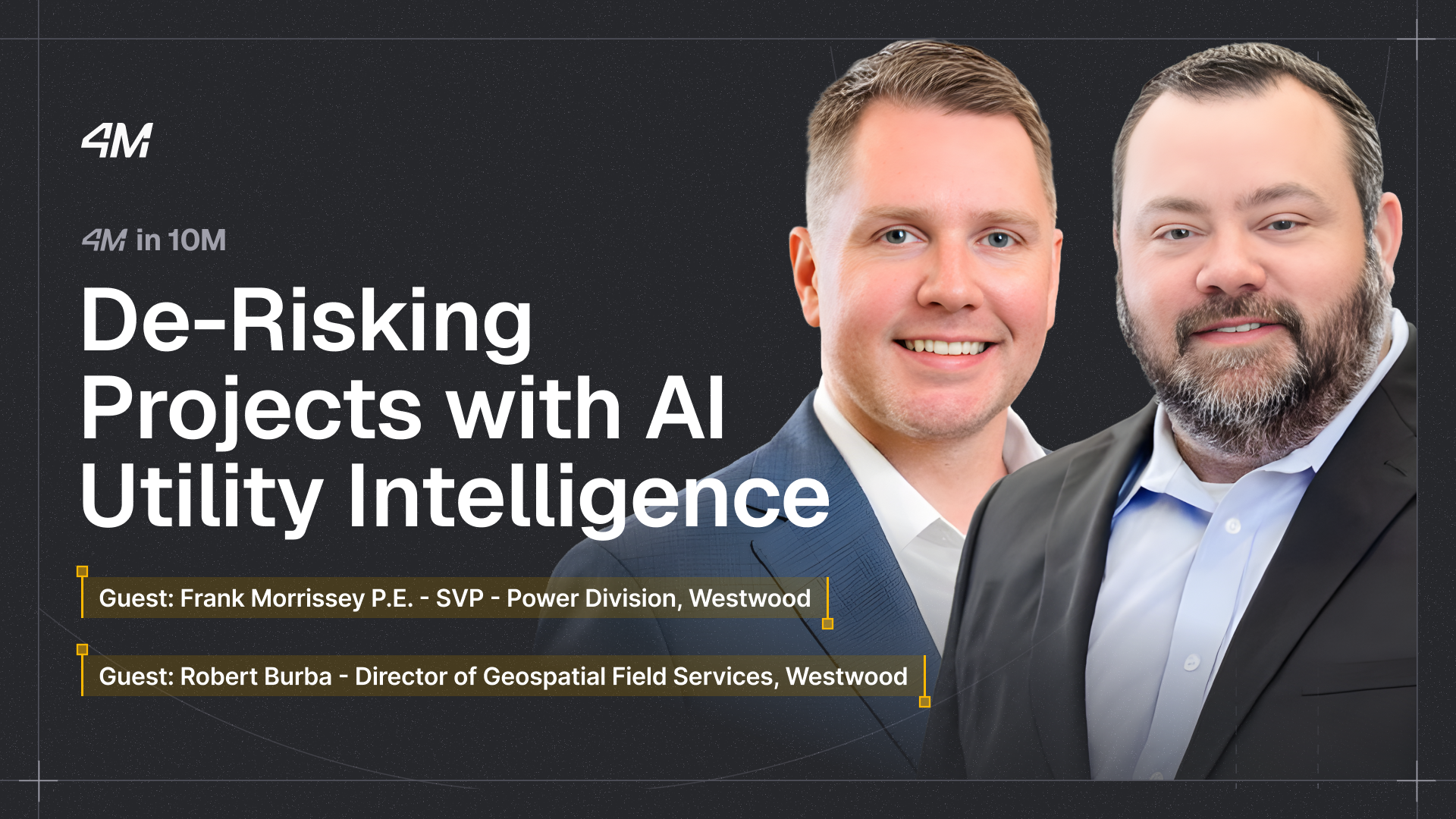
How Westwood Reduces Utility Risk Before Projects Reach the Field With 4M
On this episode of 4M in 10M, host Chris Garafola talks to Frank Morrissey, Senior Vice President of Power Division and Robert Burba, Director of Geospatial Field Services at Westwood Professional Services about how 4M helps their teams manage risk from the proposal stage through field execution.

Chris Garafola
.svg)
May 8, 2026


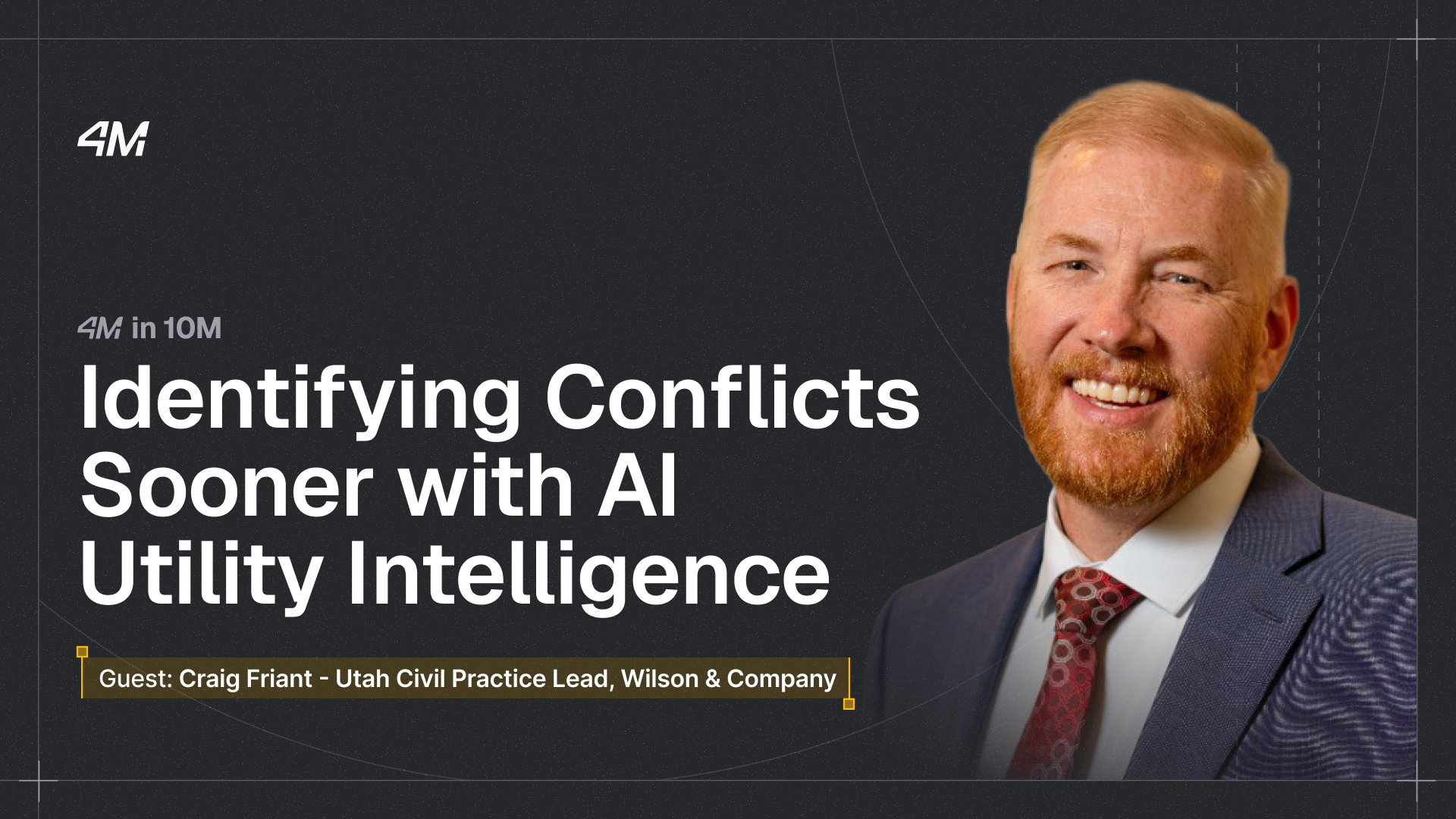
How AEC Firms Are Spending Less Time on Utility Research and More Time Solving Design Problems
In this episode of 4M in 10M, host Chris Garafola sits down with Craig Friant, Utah Civil Practice Lead at Wilson & Company, to talk about how 4M's utility data platform has changed the way his team approaches roadway and corridor design — cutting the time spent tracking down utility information and giving engineers more time to solve the problems that actually require their expertise.
April 29, 2026

Our Newsletter
Join 7k infrastructure professionals
Get monthly insights on ways to build smarter, faster and safer with Utility AI.